African Languages Lab at the Ghana AI Summit 2026
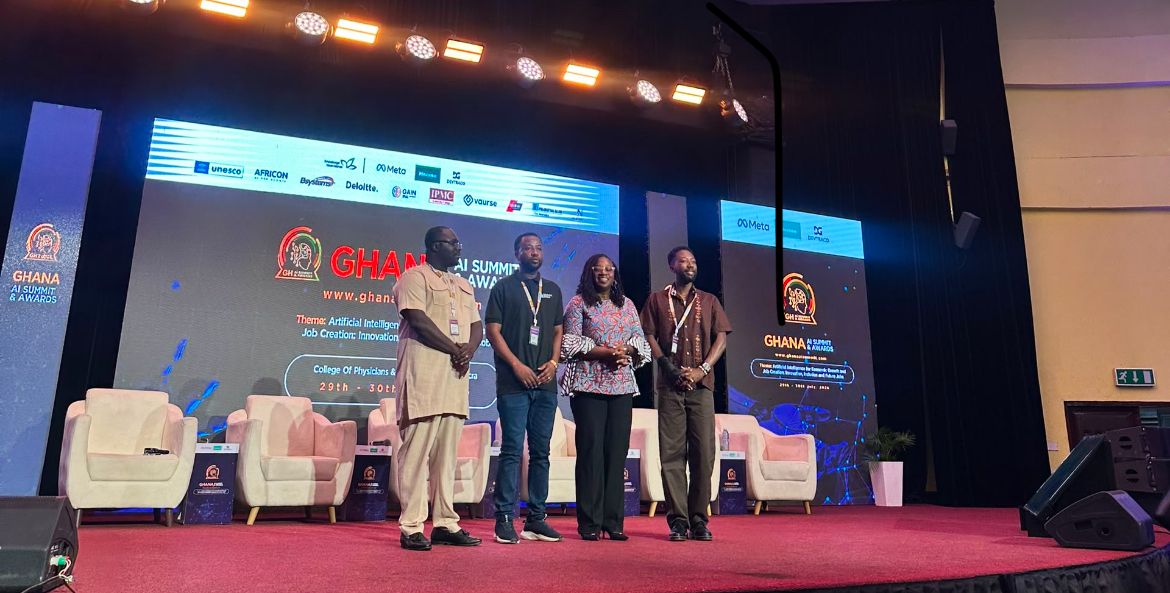
African Languages Lab joined the Ghana AI Summit in Accra on 29 and 30 July, alongside researchers, founders, policymakers and students from across the continent. It was one of the larger gatherings of its kind this year, and the range in the room was the most striking part: university researchers working on a single language, startups trying to serve several markets at once, and government teams thinking about what AI policy should look like when most of the population does not speak the languages the technology was built in.
The conversations that mattered most were about data.
Almost every team building AI for Africa runs into the same wall. The models are available. The talent is here, and there is more of it every year. What does not exist is the language data those models need. African languages account for less than 1% of the data used to train modern AI, and in Common Crawl, one of the industry's largest training sources, all 24 African languages tracked combine to less than 0.05% of the corpus.
Compute and talent are the easy part. Data is the bottleneck.
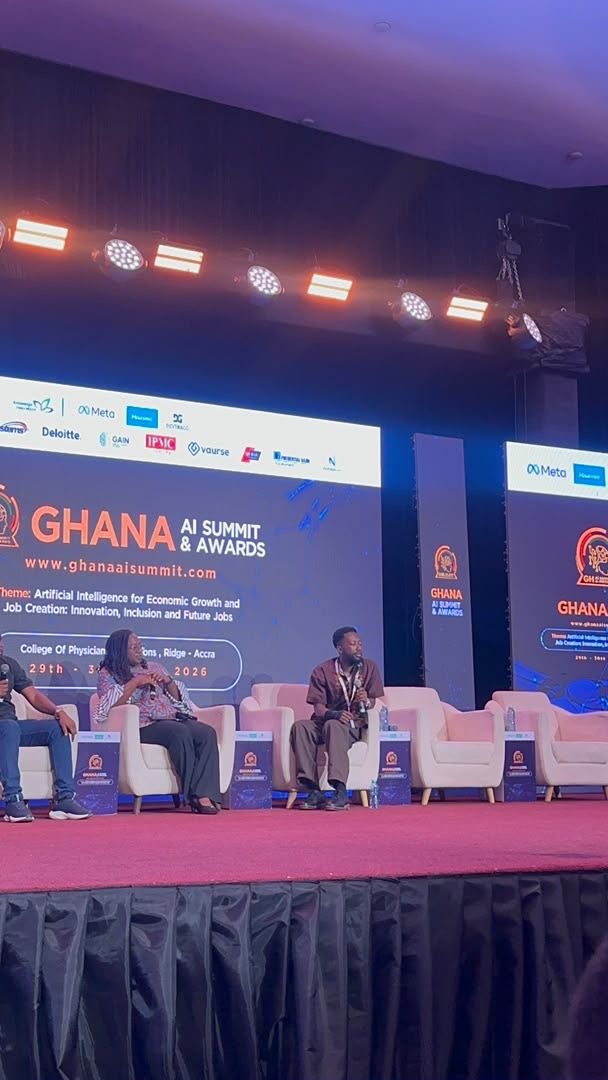
African Languages Lab at the Ghana AI Summit 2026
That framing came up repeatedly over the two days, from people approaching it very differently. Some teams are gathering corpora for one language with a small group of speakers and a lot of care. Others are trying to move fast across twenty markets and finding that quality collapses at scale. A few have concluded that the data problem is too expensive to solve and are building on translation layers instead, which works until it does not.
Our own answer has been to treat collection as the core of the business rather than a preliminary step. Over the past decade we have built a collection of more than 100 billion curated tokens and over 13,000 hours of expert-validated speech across more than 70 languages, gathered through open licensed sources, direct community partnerships, and All Voices, our platform where native and fluent speakers contribute and validate data and are paid for the work.
The other theme worth naming is who does the building. There was noticeably less patience in Accra than there used to be for the idea that African language support will eventually arrive from somewhere else. The teams doing the most interesting work are on the continent, and increasingly they are not waiting.
Our founder, Sheriff Issaka, spoke on [session title].
Accra remains one of the most active places in African AI right now. We will be back in the city for the Pan African AI & Innovation Summit on 22 and 23 September.